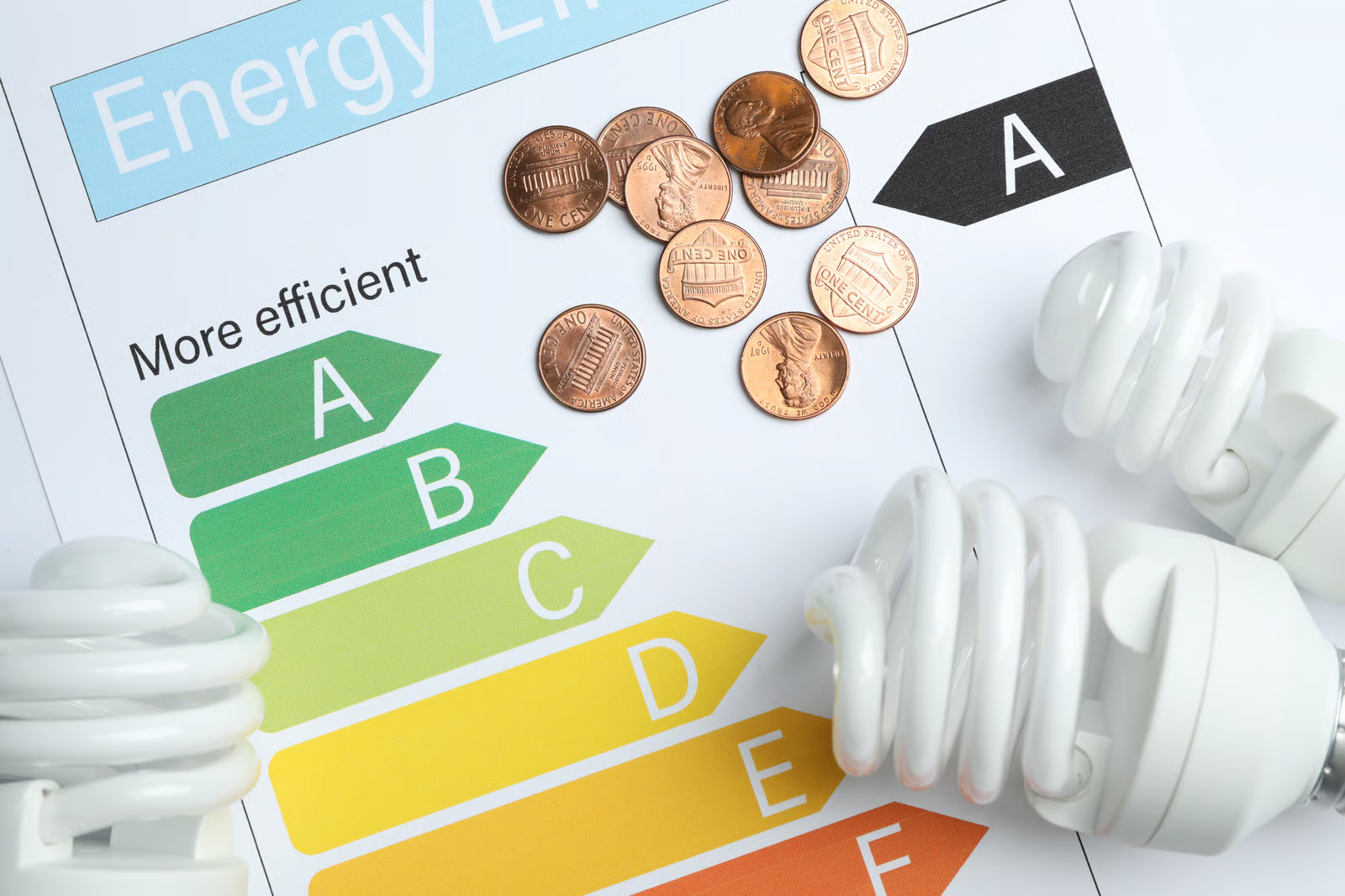
In today’s economic climate, every Irish household is searching for practical ways to manage rising living costs. While we cannot control global energy markets, we can control our own household consumption. Upgrading your home’s fixtures is often the smartest first step. If you want to save money on electricity energy saving led solutions are undoubtedly one of the most accessible and effective upgrades you can make. Switching your lighting is a simple change that requires no major renovations, yet the impact on your monthly bills can be immediate and significant.
But how much of a difference does it actually make? Let’s break down the science, the financial benefits, and the long-term advantages of modernising your home’s illumination.
LED vs Traditional Bulbs: Understanding the Efficiency Gap
To understand the savings, we first need to look at how different light sources operate. When comparing LED vs traditional bulbs, the fundamental difference lies in the technology used to generate light.
Traditional bulbs, specifically older incandescent bulbs, work by passing electricity through a wire filament until it heats up enough to glow. This process is incredibly wasteful. In an incandescent bulb, up to 90% of the energy is lost as heat, leaving only a tiny fraction to actually produce light. This is why an incandescent light gets so hot to the touch.
On the other hand, a light emitting diode (LED) works entirely differently. Light emitting diodes produce light by passing an electrical current through a microchip, which illuminates the tiny light sources we call LEDs. Because this process doesn’t rely on heating a filament, an led light bulb is much more efficient than older technology. Simply put, LEDs are designed to use significantly less energy than older models to produce the exact same amount of light.
How Much Can Your Monthly Bills Drop?
The most common question homeowners ask is: will I really notice a difference on my bill? The short answer is yes. According to energy experts, LEDs can use up to 90% less electricity than incandescent bulbs.
Let’s look at what this means for your wallet. If you replace the most frequently used bulbs in your living room, kitchen, and hallways, you could save a substantial sum over a single year. While the initial cost of led lightbulbs might be slightly higher than the cheap incandescent alternatives, the payback period is remarkably short. Because bulbs use power every day, the reduction in energy use quickly offsets the purchase price. In fact, many businesses also make this switch specifically because energy saving LED options drastically and predictably lower overheads.
By taking control of your lighting, you are taking control of your monthly expenses.
Longevity and the Environment: Beyond Just Financial Gain
The financial benefits are clear, but the advantages of energy efficient lighting go beyond just saving euros. LEDs tend to be incredibly durable. A standard incandescent model might burn out after just 1,000 hours of use, but there are led bulbs available today that boast lifespans of up to 50,000 hours.
Because they last many times longer than older units, you will find yourself buying replacements far less often. This longevity means LEDs can operate for over a decade under normal household conditions. Using these bulbs reduces the volume of waste ending up in landfills. Furthermore, they also contain not a trace of harmful chemicals like mercury, which is often found in older compact fluorescent lamps (CFLs). By embracing better energy efficiency, you are actively reducing your household’s carbon footprint.
Smart Lighting: The Future of Energy Saving LED Technology
When we talk about energy efficient lighting Ireland is seeing a massive shift towards smart home integration. Led lighting today isn’t just about the bulb; it’s about absolute control.
Smart LED lights can be connected to your Wi-Fi and controlled via your smartphone or voice assistant. Through these systems, you can set schedules, ensuring that your lights are automatically turned off when you leave for work. You can also use motion sensors in hallways or bathrooms so that light is only provided when needed. These features help keep your energy use strictly tied to your actual needs. Smart led bulbs are the ultimate tool to save energy without sacrificing comfort.
What to Look for on the Packaging When Buying LED Bulbs
If you are ready to make the switch, understanding the packaging is essential. The market is full of options, and choosing the right one requires a little bit of knowledge.
Finding Quality Energy Efficient Lighting in Ireland
To ensure your home truly benefits from more efficient fixtures, it is vital to choose high-quality products. Low-grade bulbs can flicker, burn out prematurely, or fail to deliver the promised energy reductions.
For the best results, it is highly recommended to source your lighting from trusted, local experts who understand the specific needs of Irish households. For high-quality and tailored options, exploring solutions from Irish suppliers like LucasLED ensures you get the right products for your home. Choosing a dedicated specialist guarantees that the energy efficient bulbs you install will perform reliably for years to come.
Start Small, Save Big
You don’t need to change every bulb in your house today. Start with the rooms you use the most—the kitchen, the living room, and the exterior security lights. Even this small adjustment will ensure your home uses less energy. Efficient lighting is an investment that pays for itself, providing better illumination, a lower environmental impact, and real financial savings.
 The Galway Review