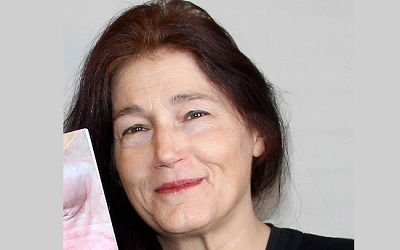
 Laura Rodley, a Pushcart Prize winner, has been nominated for the prize seven times and has also received five Best of the Net nominations. Her recent works include Turn Left at Normal (published by Big Table Publishing Company), Counter Point (published by Prolific Press), and Ribbons and Moths: Poems for Children (published by Kelsay Books). With a talent for capturing the essence of life, Rodley’s writing resonates with readers of all ages. Whether exploring the natural world or delving into human emotions, her words evoke a sense of wonder and connection. https://www.youtube.com/watch?v=PClY8G6HQwk
Winterlust
By Laura Rodley
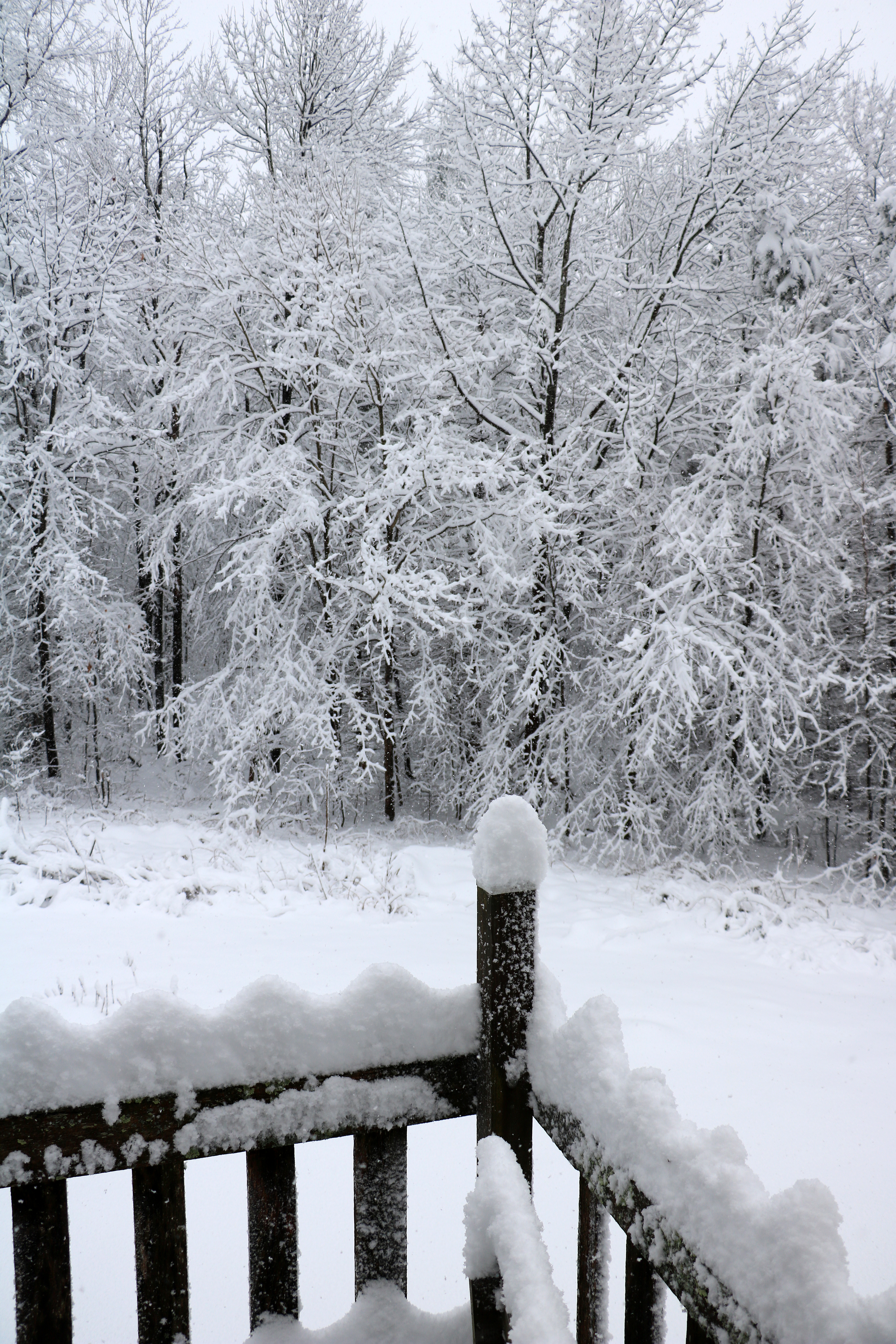
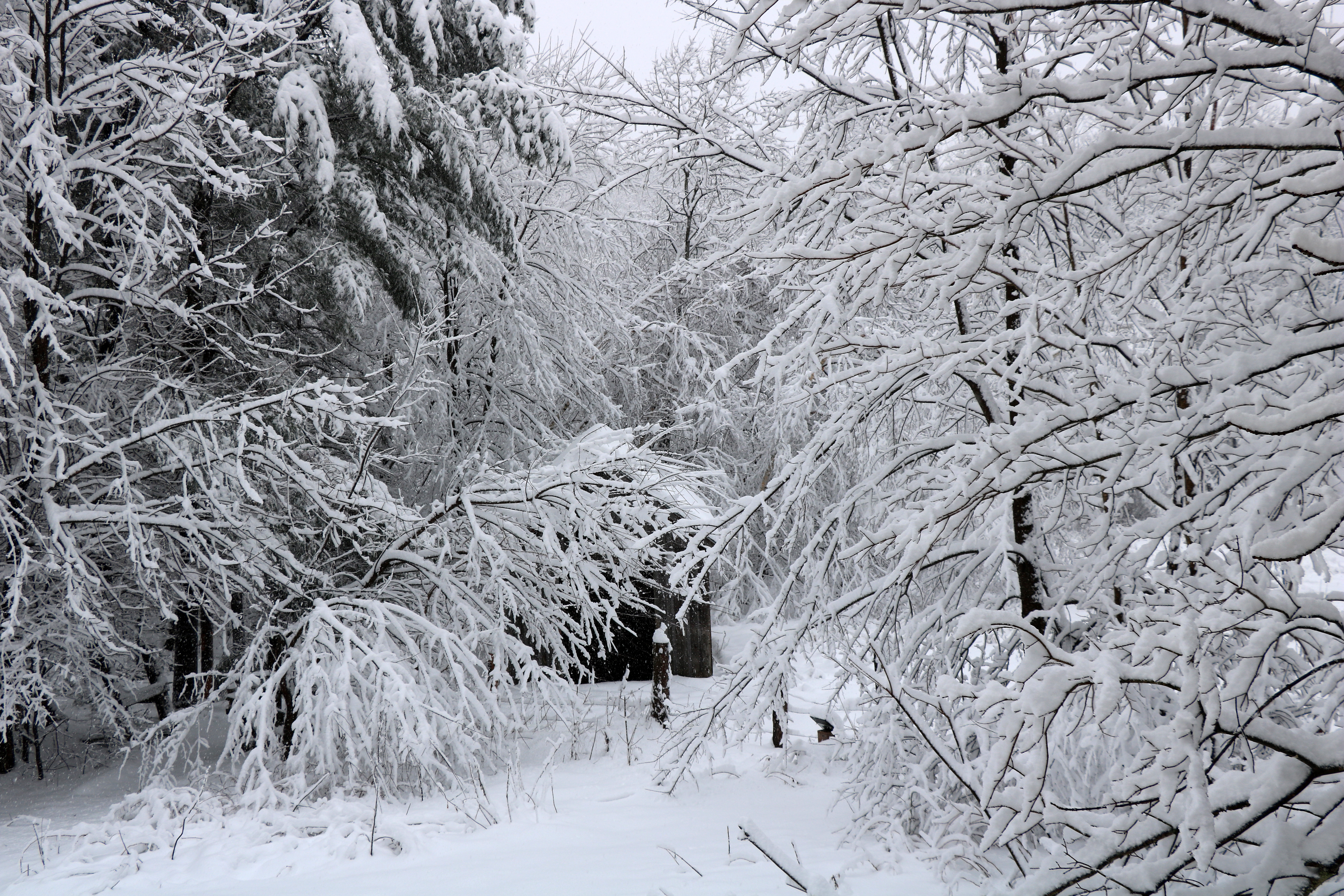
Astrid was sweeping the wooden floor, feeling proud of her brand-new broom she’d made herself of their own harvested broomcorn when loud steps clumped up to the front door, and it blew open, wind pushing a snow-covered creature into her hallway.
She held up her broom to ward the creature off, as it tossed back its snow-laden hood.
“Fina, what on earth? Didn’t recognize you.”
Drawing off her cloak, snow clumped onto the freshly-swept floor. “You won’t believe it. Remember my dream, telling me there was gold buried in the wall behind the chimney? Walter made fun of me for believing it. Water must have flowed behind the wall from all the snow on top the chimney, and a chunk of the wall fell out, horsehair plaster and all. Guess what was behind it?”
“Mice?”
“No silly, gold, real gold, stuck between the studs. Probably there since the Civil War when women were hiding their jewels from thieves.” She lifted up a small leather bag, trod into the kitchen, clumps of snow dropping from her boots, and dumped the coins on the table.
“Couldn’t risk others listening in on the telephone exchange, ran over to tell you.”
“What’re you going to do with it?” Astrid asked, patting her blonde braids wrapped in a coil behind her head.
“We could buy a horse, or dig that pond Walter’s wanted, diverting and collecting the water from the spring to have a pond and an ice house in winter.”
“You could pay off your mortgage.”
“Ever-practical Astrid. You’re right, we could. But it’s found money, destined for something special. Our children are married, have everything they need—they both live in town, have no interest in living on the mountain like us rural folk. Walter’s agreed we could use it for something frivolous. Buying sheep, taking up weaving…that’s so much work.”
“Do you know who it belonged to? Have you checked the deed records like I suggested after your dream to see who might have had wealth worth hiding?”
“I checked the family bible that came with the sale of the house. Goes without saying, doesn’t it, folks don’t necessarily blare their treasures, do they, saves them from worrying about getting robbed.”
“Glory be, Fina. Sit, have some tea to get warmed up. Then I’ve got to get back to work—cleaning up after your snow drops, no less. Now, don’t fret, you were so excited, you weren’t thinking. Abraham’s due home from carting a load of wood to the mill, he’ll be wanting his supper.”
Spring arrived and Walter started digging the area by the spring for their pond and ice house. Usually neighbors offered their services for free, but Walter offered them ten dollars each to get the pond dug quick, just before sowing season.
Five men dropped their shovels into the rich peaty earth by the spring, down three feet to be able to set a wooden slat across the top and dredge out the dirt.
Their neighbor-to-the-south, Thomas, set his boot against the shovel, shoved down hard, then leaped back. “Jumping Jehoshaphat! It’s a body, two bodies!”
“The family graveyard is above the apple orchard, what are they doing here?” Walter wondered. “Don’t know who they could be—any members of the Wilson family who owned the property for generations before us are recorded in their family bible, that came with the house, and have marked gravestones.”
Thomas tilted his hat back, kneeled on the edge beside the bodies, “Look at that: both necks have been broken. I must have just done that with my shovel.”
“Broke both their necks? Doubt it.” Richard scratched his gray beard. “Who could they be?”
George, wiping his wrinkled forehead with the back of his hand, said, “I recall a story told round here decades back, 1890s, bout the Wilson’s daughter wanting to marry a man her father didn’t approve of. The suitor didn’t want to live at the farm and Wilson had no sons. There would be no one to help on the farm ‘cept hired hands if she left with him. Heard tell she’d run away, was never heard of again. Folks wondered why she never wrote. Guess now we know.”
Walter wiped his hands on the back of his corduroys. “You really think it’s them? I’ll have to call the police. Thanks for your help boys. Let’s get a tarp over them, protect them from the rain. They’re so well-preserved, must be the boggy peat of the spring.”
The woman’s auburn hair had a middle part, braids circled by her ears. The man’s blonde hair reached his shoulders, their clothes intact.
“The ground never lies,” mused George. “Old Man Wilson died in his 90s. To live with that on his conscience all those years…”
Walter said, “When we bought the house, we thought he was a nice old fellow. Had no idea. Fina’s going to be so upset.”
“How do we know it’s his daughter?”
“Look at her hands, folded, holding a cross, maybe. Around her neck, isn’t that a locket?”
From his kneeling position, Thomas reached down to lift the locket gently a few inches from the preserved body, tried the latch. It swung open. “Recognize the picture, George?”
“It’s Minerva; Mrs. Wilson. She died years afore her daughter disappeared. Must be her daughter alright.”
“Recall her name?”
“Think it was Amy. Can’t we cover them back up?”
“Don’t think so, George.”
A moan snapped their heads up.
“What’s the matter, Pete?”
“Think that’s my great-grandfather, Alan Coombs—Mum used to tell me about the couple running away, like you’d heard. Thought they’d run to Canada, or New York, sailed the high seas to Australia. Thought I’d go wild and run away sometime myself, just like them.”
George patted his shoulder, “Glad you didn’t, son.”
 The Galway Review